Baking & Desserts Classic Vanilla Butter Cake
Highlighted under: Cakes & Confections
I’ve always had a soft spot for vanilla butter cake, and this recipe is a personal favorite that never fails to impress. The aroma that wafts through my kitchen while it bakes is simply heavenly, bringing back fond memories of family gatherings and celebrations. I love how this cake remains moist and tender, with its buttery richness perfectly balanced by a hint of vanilla. It’s the type of cake that’s versatile for any occasion, whether served as a simple afternoon treat or dressed up for special events.
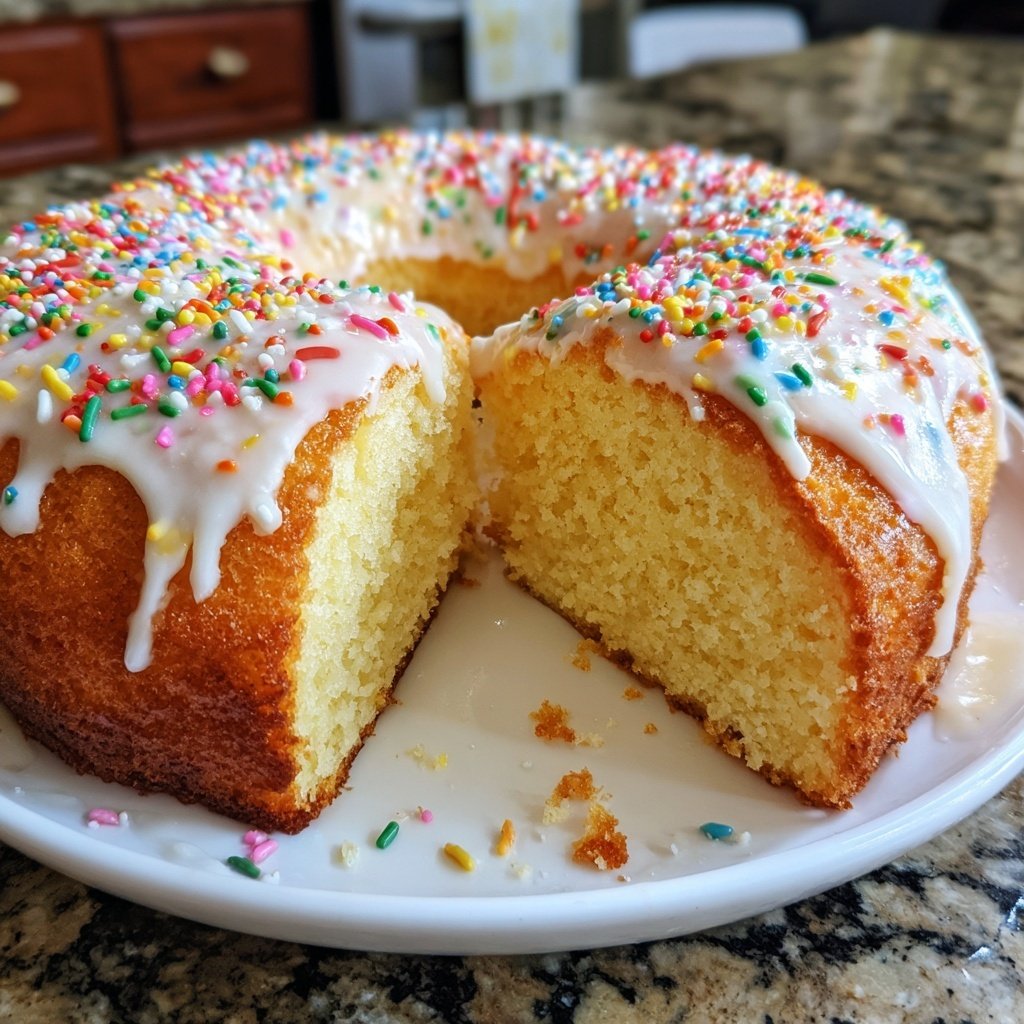
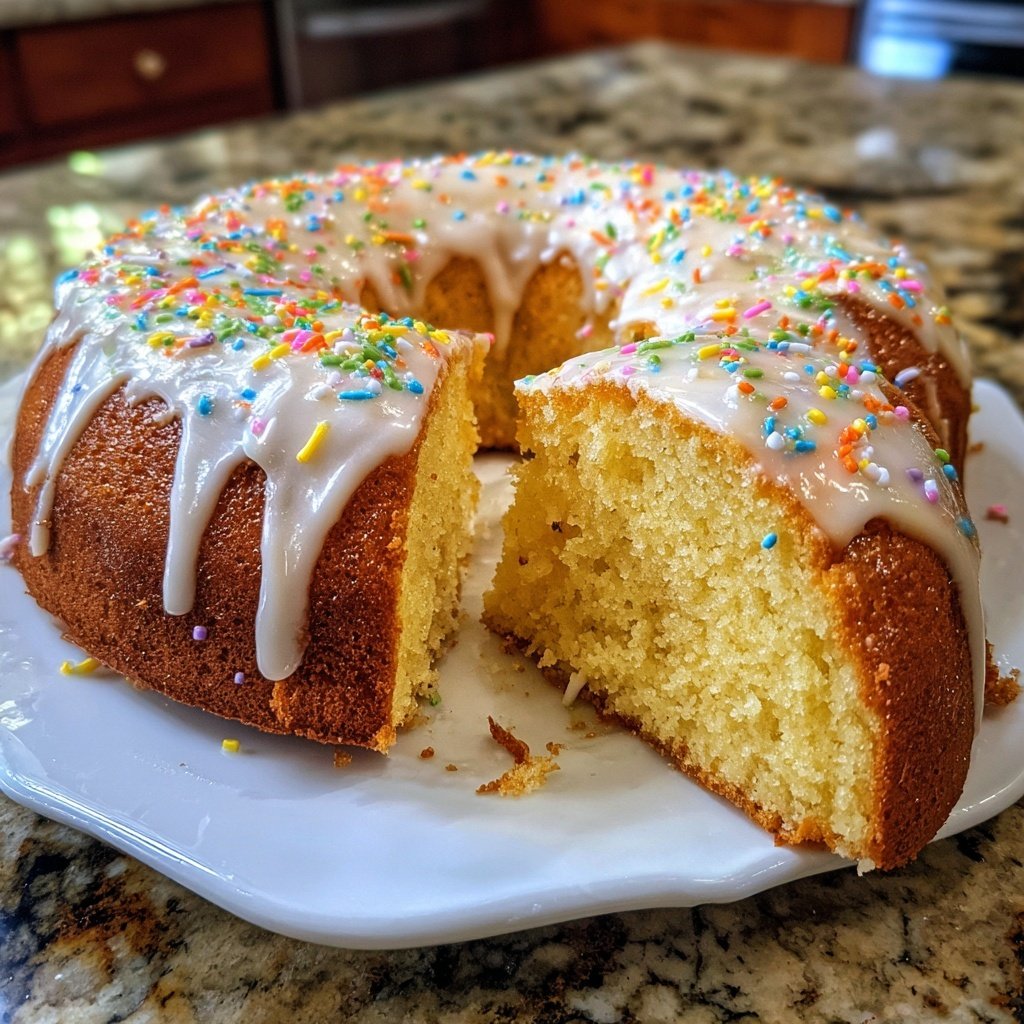
When I made this classic vanilla butter cake for the first time, I was amazed at how beautifully it turned out. The golden crust combined with the soft crumb is a testament to the quality of ingredients and the technique involved. Using room temperature butter and eggs was a game changer, allowing for thorough mixing and a fluffy texture that’s simply irresistible.
One tip I discovered is to avoid overmixing once I add the flour; gentle folding keeps the cake light and airy. I've also started experimenting with different frostings, from cream cheese to chocolate ganache, which elevates this humble cake into a showstopper!
Why You'll Love This Recipe
- Lasting vanilla aroma that fills your kitchen
- Perfectly moist texture that melts in your mouth
- Versatile base for various frostings and toppings
Mastering the Mixing Technique
The technique of creaming butter and sugar is crucial for achieving the cake's light and fluffy texture. When you start, make sure your butter is at room temperature; this allows it to whip air into the mixture effectively. Cream the butter and sugar for about 3-5 minutes until the mixture appears pale and fluffy. This aeration is what helps the cake rise beautifully as it bakes. Avoid overmixing after adding the dry ingredients, as this can develop gluten and lead to a denser cake.
Incorporating the eggs one at a time is another key step. It allows each egg to emulsify with the butter and sugar mixture properly, creating a uniform batter. If you add them all at once, you risk a curdled texture for your batter. A tip I have is to crack each egg into a separate bowl first—a simple way to prevent any shell bits from making their way into your cake.
Ingredient Roles and Substitutions
Each ingredient in this vanilla butter cake plays a specific role that contributes to the cake's final flavor and texture. For example, the all-purpose flour provides the structure, while the baking powder acts as a leavening agent to help the cake rise during baking. If you need a gluten-free option, gluten-free all-purpose flour blends can work, but it’s best to choose one with xanthan gum included for similar texture.
Butter is essential not just for its flavor; it also helps keep the cake moist. If you're looking for a dairy-free alternative, you can substitute with a good quality vegan butter or coconut oil. Just be cautious, as this might alter the cake’s flavor profile slightly. Whole milk contributes to the cake's richness, but buttermilk can be used for a tangy flavor and even more moisture.
Serving Ideas and Storage Tips
This vanilla butter cake is not only delicious on its own but also serves as a fantastic base for various frostings and toppings. Consider pairing it with a classic buttercream or whipped cream for a simple yet exquisite dessert. For an extra layer of flavor, add fresh fruit or a fruit compote on top. Even a dusting of powdered sugar can elevate its presentation for a more refined touch.
For storage, wrap the cooled cake in plastic wrap and keep it at room temperature for up to three days. If you need to store it longer, freezing is a great option. Slice the cake, wrap it tightly in foil or plastic wrap, and place it in an airtight container. It can last in the freezer for up to three months. When you’re ready to enjoy it, simply thaw it overnight in the fridge, then bring it to room temperature before serving.
Ingredients
Classic Vanilla Butter Cake Ingredients
- 1 cup unsalted butter, softened
- 2 cups granulated sugar
- 4 large eggs, at room temperature
- 1 tablespoon pure vanilla extract
- 3 cups all-purpose flour
- 1 tablespoon baking powder
- 1/2 teaspoon salt
- 1 cup whole milk, at room temperature
Steps to Bake
Preheat the Oven
Preheat your oven to 350°F (175°C). Grease and flour two 9-inch round cake pans.
Cream Butter and Sugar
In a large mixing bowl, cream the softened butter and granulated sugar until light and fluffy.
Add Eggs and Vanilla
Beat in the eggs one at a time, followed by the vanilla extract until fully incorporated.
Combine Dry Ingredients
In a separate bowl, whisk together the flour, baking powder, and salt.
Mix Dry and Wet Ingredients
Gradually add the dry ingredients to the wet mixture, alternating with the milk. Mix until just combined.
Pour and Bake
Pour the batter evenly into the prepared cake pans and smooth the tops. Bake for 35-40 minutes or until a toothpick inserted in the center comes out clean.
Cool and Serve
Let the cakes cool in the pans for 10 minutes, then turn them out onto wire racks to cool completely before frosting.
Pro Tips
- For extra flavor, consider adding a pinch of almond extract or using vanilla bean paste instead of regular vanilla extract. Ensuring all ingredients are at room temperature will help achieve the best texture.
Making the Most of Your Ingredients
Choosing high-quality vanilla extract significantly impacts the flavor profile of your cake. If you have access to pure vanilla bean paste, it can enhance the cake's aroma and give visual flecks of vanilla throughout the batter. A good rule of thumb is to use pure vanilla extract for the best taste, avoiding imitation varieties which lack depth and richness.
Room temperature ingredients are key in this recipe. Letting the butter and eggs sit out for about 30 minutes before you begin baking can lead to better emulsification, resulting in a softer crumb. If you forget to take them out in time, you can place eggs in warm water for 10 minutes to quickly bring them to temperature.
Troubleshooting Common Issues
If your cake sinks in the center, it may be due to underbaking or incorporating too much air into your batter. Make sure to always check for doneness towards the end of the baking time by inserting a toothpick; it should come out clean or with a few moist crumbs. If you find your cake doming too much, gently press it down with a spatula once it’s in the cake pans to create a more even surface.
Another issue could be a dry cake, often a result of overbaking or measuring flour inaccurately. For the best results, use the spoon-and-level method to measure flour: spoon the flour into your measuring cup and level it off with a knife. This technique minimizes the risk of packing flour, which can lead to an overly dry cake.
Questions About Recipes
→ Can I make this cake ahead of time?
Yes, this cake can be baked a day in advance. Just cover it tightly with plastic wrap and store it at room temperature.
→ How can I store leftovers?
Leftover cake can be stored in an airtight container at room temperature for up to three days or in the refrigerator for up to a week.
→ Can I freeze this cake?
Absolutely! Wrap the cooled cake tightly in plastic wrap and then in aluminum foil. It can be frozen for up to three months.
→ What can I use instead of eggs?
You can substitute eggs with unsweetened applesauce (1/4 cup per egg) or a commercial egg replacer, but this may alter the texture slightly.
Baking & Desserts Classic Vanilla Butter Cake
Created by: Freya Cooper
Recipe Type: Cakes & Confections
Skill Level: Intermediate
Final Quantity: 8 servings
What You'll Need
Classic Vanilla Butter Cake Ingredients
- 1 cup unsalted butter, softened
- 2 cups granulated sugar
- 4 large eggs, at room temperature
- 1 tablespoon pure vanilla extract
- 3 cups all-purpose flour
- 1 tablespoon baking powder
- 1/2 teaspoon salt
- 1 cup whole milk, at room temperature
How-To Steps
Preheat your oven to 350°F (175°C). Grease and flour two 9-inch round cake pans.
In a large mixing bowl, cream the softened butter and granulated sugar until light and fluffy.
Beat in the eggs one at a time, followed by the vanilla extract until fully incorporated.
In a separate bowl, whisk together the flour, baking powder, and salt.
Gradually add the dry ingredients to the wet mixture, alternating with the milk. Mix until just combined.
Pour the batter evenly into the prepared cake pans and smooth the tops. Bake for 35-40 minutes or until a toothpick inserted in the center comes out clean.
Let the cakes cool in the pans for 10 minutes, then turn them out onto wire racks to cool completely before frosting.
Extra Tips
- For extra flavor, consider adding a pinch of almond extract or using vanilla bean paste instead of regular vanilla extract. Ensuring all ingredients are at room temperature will help achieve the best texture.
Nutritional Breakdown (Per Serving)
- Calories: 380 kcal
- Total Fat: 26g
- Saturated Fat: 15g
- Cholesterol: 195mg
- Sodium: 85mg
- Total Carbohydrates: 32g
- Dietary Fiber: 3g
- Sugars: 24g
- Protein: 6g